Autism Support for Children

A space where being different isn’t something to fix.

Autistic children see, hear, feel and process the world with an intensity that most environments aren’t built for. School rewards sameness. We build something else โ€” a space where their neurology isn’t the obstacle. The obstacle is the mismatch between the child and the environment. We change the environment.

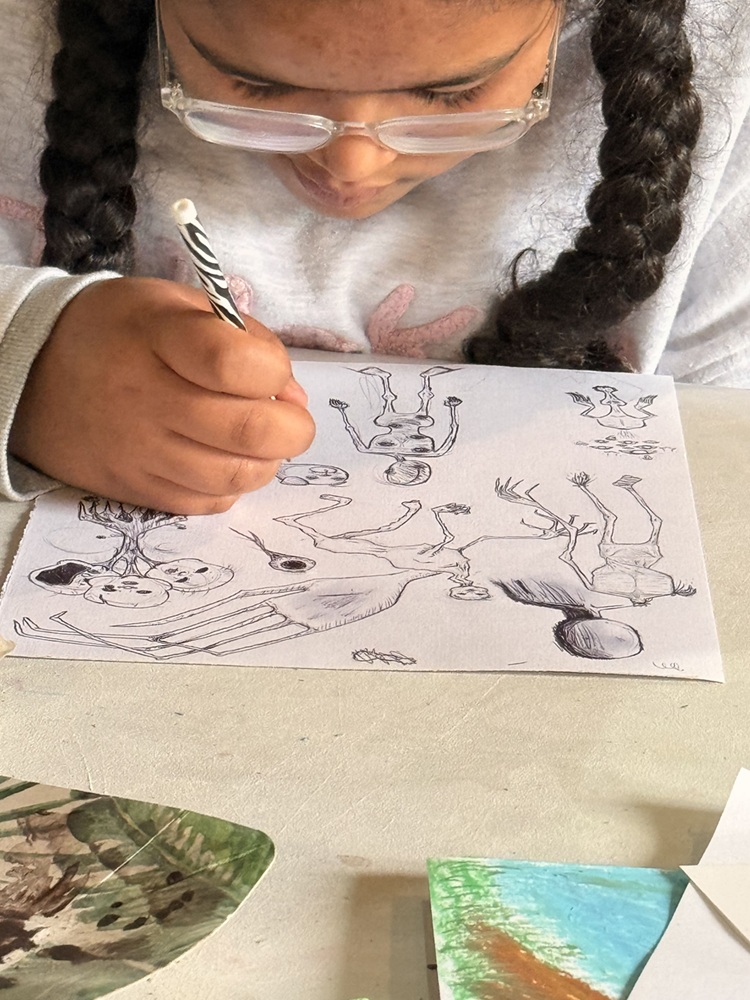
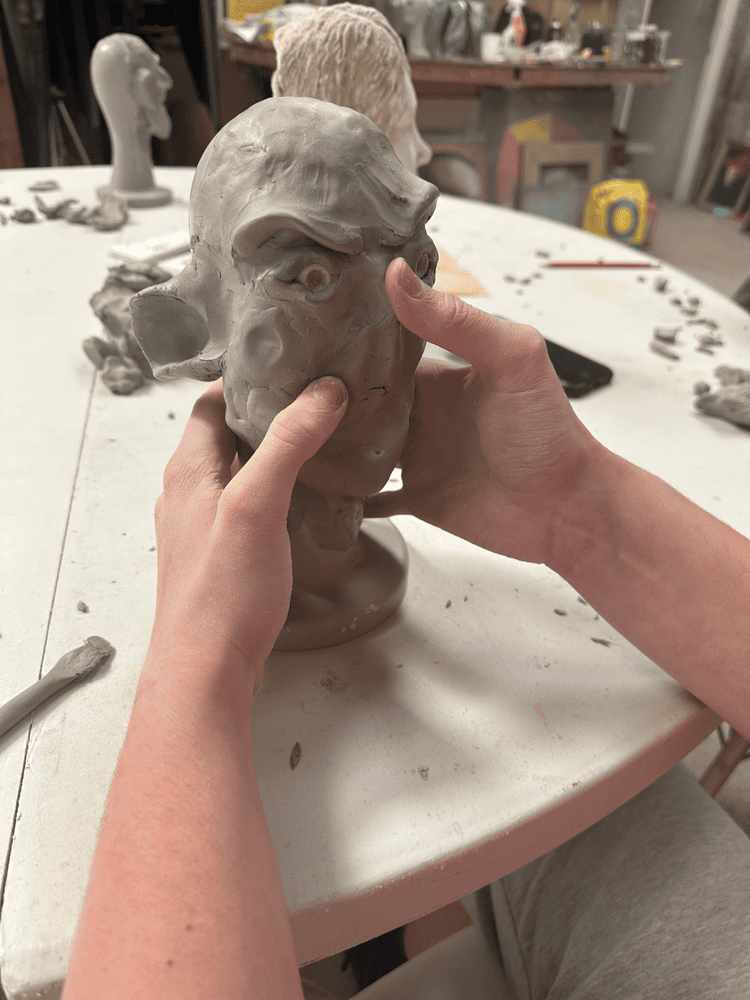
Student doing pottery

“For the first time, he did not have to pretend to be someone else.”

โ€” PARENT OF AN AUTISTIC CHILD

700,000+

autistic people in the UK, with many more still awaiting diagnosis

5ร—

more likely to be permanently excluded from school than non-autistic peers

42%

of autistic people have experienced bullying at school

16%

of autistic adults are in full-time employment, making early support critical

What autism looks like here

The world as it feels โ€” not as it’s supposed to feel.

Sensory overwhelm in ordinary spaces

The hum of fluorescent lights. The scratch of a school jumper. The smell of the canteen. For autistic children, the world is turned up too loud. Our studio is designed to be turned down โ€” calm, predictable, and adjustable to what each child needs.

Communication that doesn’t fit the script

Some speak in paragraphs about their special interest. Some haven’t found words yet. Some use devices, some use gesture, some use silence. We don’t privilege spoken language. We privilege connection โ€” however it arrives.

The exhaustion of masking all day

Holding it together at school, then collapsing at home. The cost of appearing ‘fine’ is paid in meltdowns, shutdowns, and burnout. Our space is explicitly no-mask. However they arrive is exactly right.

adhd in girls

Intense, beautiful special interests

Dinosaurs, trains, electricity, Minecraft, ancient Egypt โ€” these aren’t distractions from learning. They ARE learning, if someone is willing to meet them there. We build whole sessions around the thing that lights them up.

How we help

Built for autistic ways of being โ€” not in spite of them.

Movement-friendly sessions

Neurodiversity-affirming practice

We don’t treat autism as a problem to solve. We treat the environment as what needs changing. Less ‘fitting in’, more ‘finding the right fit’.

Sensory-aware environment

Relationship before requirement

Nothing therapeutic happens until the child feels safe with us. That might take one session or ten. We don’t count. We just keep showing up, consistently and gently.

Predictable structures, flexible content

The shape of the session stays the same โ€” arrival, choice, create, reflect, close โ€” but what’s inside it changes entirely based on the child. Structure creates safety. Freedom within it creates growth.

Triggers and overwhelm

When the ordinary becomes too much.

Autistic young people often process the world differently. Environments that feel manageable for others can quickly become overwhelming. Common triggers include:

  • Loud or unpredictable environments
  • Rapid changes in routine
  • Social pressure or group dynamics
  • Constant transitions between tasks
  • High expectations without flexibility
  • Sensory overload in busy classrooms

Over time, these experiences build and leave a young person feeling constantly on edge or exhausted.

Misconceptions

Autism does not always look the same.

There are many outdated stereotypes that make it harder for autistic young people to be understood. Some are very quiet; others are highly expressive. Some mask their difficulties through the school day and release their emotions at home.

Autism is not a lack of ability or intelligence. Many autistic young people have exceptional strengths in creativity, problem-solving, deep focus and original thinking. When they are allowed to work at their own pace, focus on areas of interest and learn in calmer environments, confidence and engagement grow significantly.

“For the first time, someone saw my son’s intensity as a gift. Emma did not try to make him more normal. She made the space more him-shaped. He has been a different child since.”

Parent of an 11-year-old autistic boy

Not sure where to start?

Support that honours who your child already is.

Book a consultation. We will listen, share what we offer, and help you work out what your child needs.

Get support