School Refusal & Burnout Support for Children

When school has become unsurvivable.

School burnout and refusal are rising — especially among neurodivergent children who’ve spent years trying to fit into a shape that doesn’t accommodate them. If your child can’t go to school anymore, you’re not alone. And you’re not failing. The system is failing them. We offer something different.

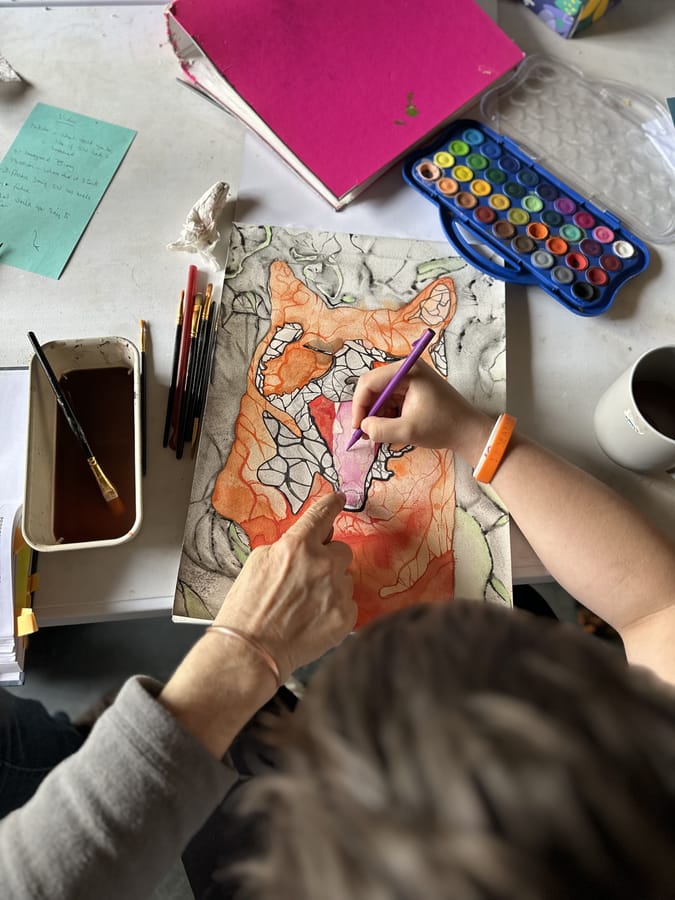
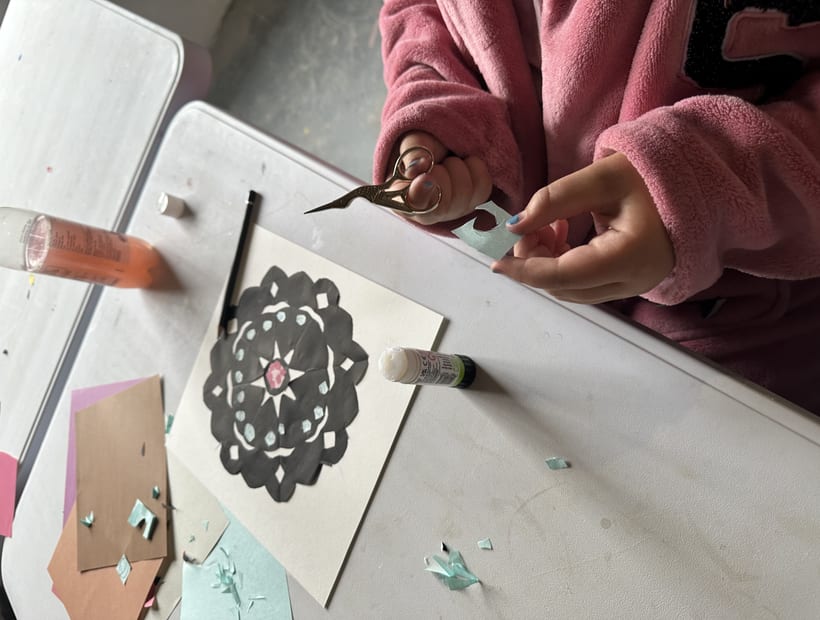
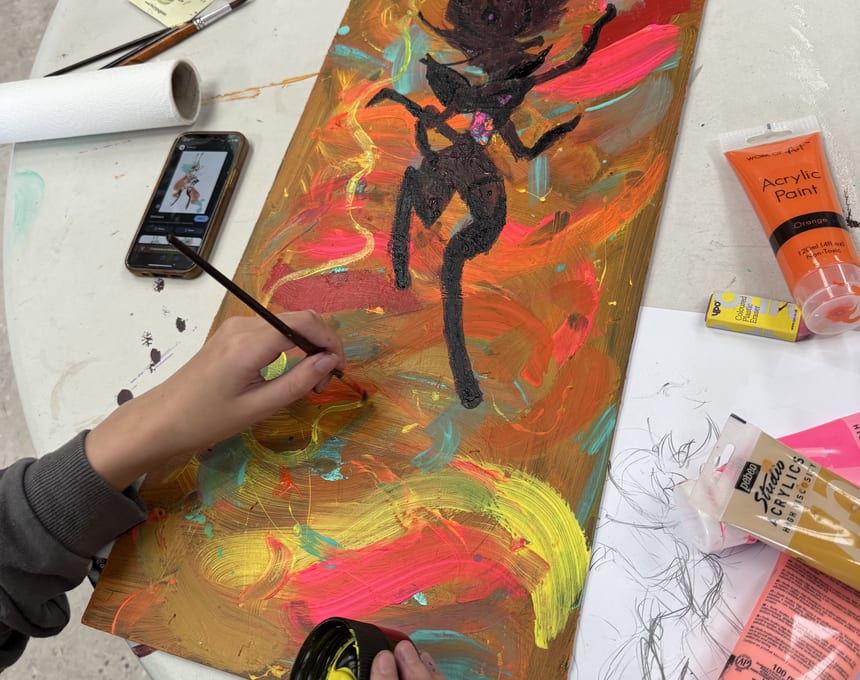
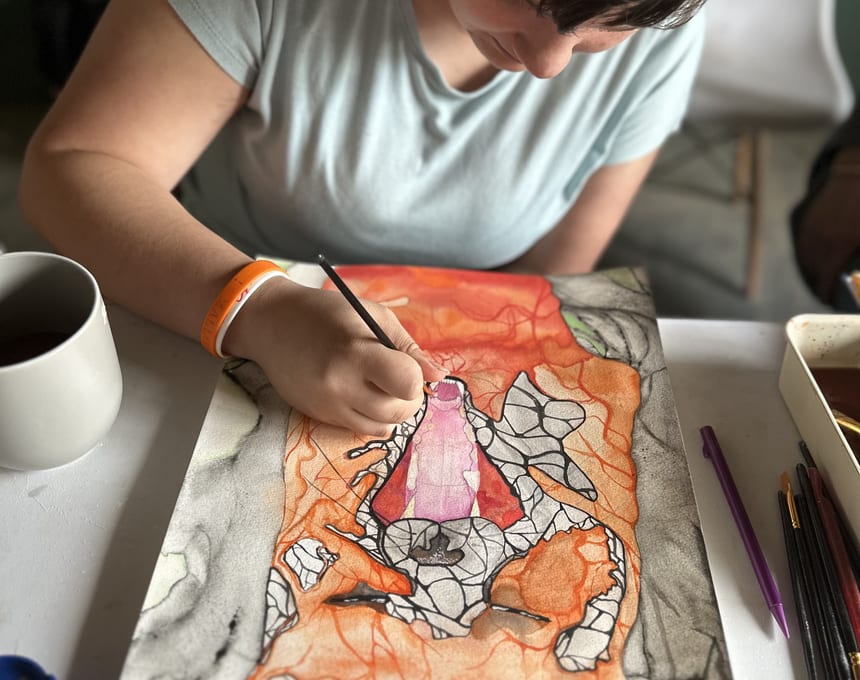
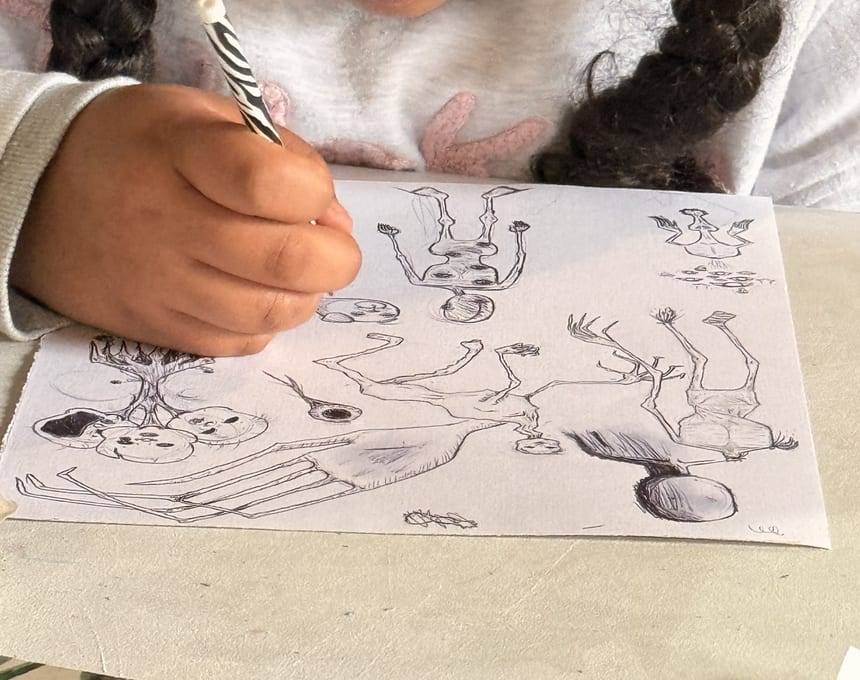
Student doing painting

“Six months out of school. Three sessions in, he asked if he could come back tomorrow. Because he felt safe.”

— PARENT OF A 14 YEAR OLD WITH SCHOOL BURNOUT

150,000

children in England classed as severely absent — missing over 50% of school sessions

33%

of pupils with EHCPs are persistently absent from school

children with probable mental health difficulties are three times more likely to miss significant school time

2x

persistent absence has nearly doubled since pre-pandemic

What school burnout looks like

The signs are there — if you know how to read them.

Sunday night dread that starts on Friday

The anxiety builds through the weekend. Tears on Sunday evening. Somatic complaints Monday morning — stomach pain, headaches, nausea. These are real physical responses to a psychological threat. The body is doing exactly what it should: protecting the child from something it perceives as dangerous.

The child who used to cope, but doesn’t anymore

They managed for years. Masked, held it together, came home and collapsed. Now the tank is empty. Burnout in children looks like regression — toileting, sleep, eating, emotional regulation. It’s not backsliding. It’s a system that has been overdrawn for too long.

Refusal that feels like a standof

Dragging them to the gate. Bribes, threats, tears from everyone. Some children actively resist — screaming, running, locking themselves in. Others go quiet, disappear into themselves, become unreachable. Both are distress signals. Neither child is being ‘difficult’. Both are in survival mode.

The ‘fine at school, falls apart at home’ pattern

The ideas are there. The vocabulary is rich. But getting it onto paper is a wall. We offer scribing, dictation, typing, and creative outputs that bypass the pen entirely — because the ideas matter, not the handwriting.

How we help

A safe place to land. A slow path forward.

Movement-friendly sessions

First, safety. Then, curiosity.

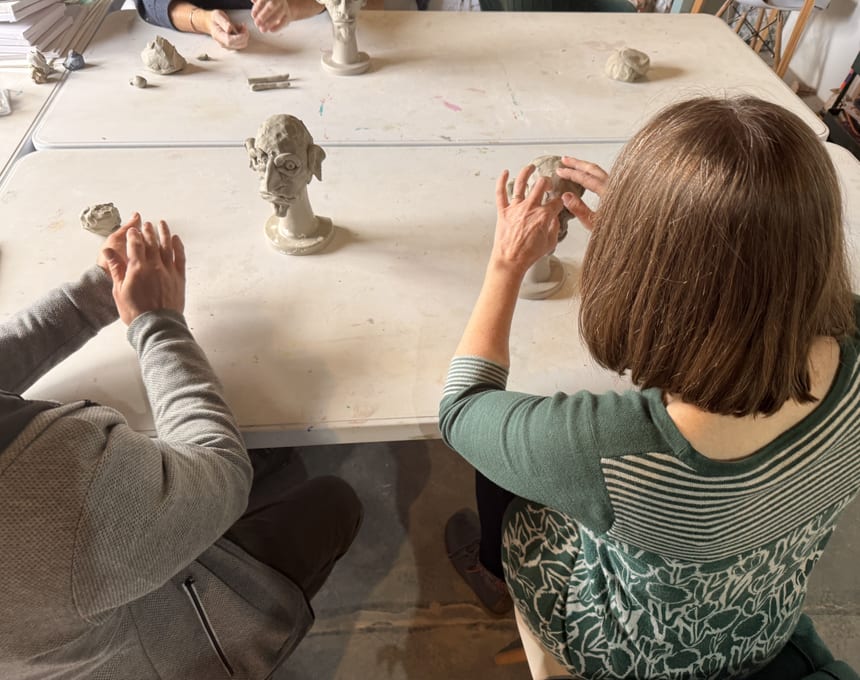
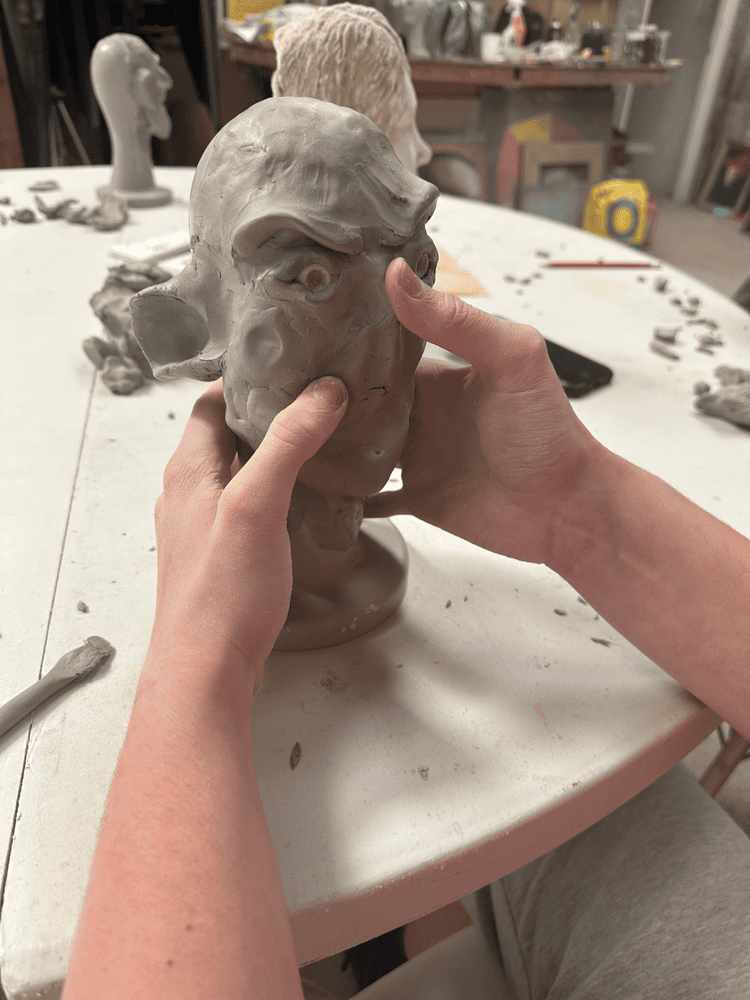
We don’t ask anything of the child in early sessions. We just show up, consistently, with interesting things to do and no pressure to do them. Recovery comes before re-engagement. Always.

Sensory-aware environment

No shame, no pressure, no ‘catching up’

We are not a tutoring service. We are not here to get them ‘back on track’ with the curriculum. We are here to help them feel okay again — and to rebuild their relationship with learning as something that can be joyful, not just obligatory.

A bridge, not a destination

For some children, our provision becomes their long-term educational placement. For others, it’s a stepping stone back to school, or towards a different setting. We work with you, the school, and the LA to find the right next step — never assuming what that should be.

Know the signs

Burnout often builds quietly, long before it shows.

Signs to watch for

Burnout often builds quietly, long before it shows.

Parents often begin to notice gradual changes such as:

  • Increasing anxiety around school days
  • Difficulty getting ready or leaving the house
  • Emotional outbursts or shutdowns linked to attendance
  • Extreme exhaustion after school
  • Headaches, stomach aches or physical symptoms before school
  • Withdrawal from activities they previously enjoyed
  • Loss of confidence or negative self-beliefs
  • Masking at school but emotional release at home

Recognising these early signs can help families seek the right support before a young person becomes completely overwhelmed.

When to consider alternative provision

Needing a different approach isn’t a failure.

Parents often begin to notice gradual changes such as:

For many parents, considering alternative provision feels like a big — sometimes overwhelming — step. It’s often something families arrive at after trying to make school work for a long time.

It may be worth considering when a young person is consistently struggling to attend, experiencing high levels of anxiety, or showing signs of burnout that aren’t improving with support already in place. In some cases they’re still attending but masking through the day and falling apart at home; in others, attendance has dropped significantly or stopped altogether.

For some young people, a more flexible, personalised environment is exactly what they need to rebuild confidence, feel safe and begin engaging with learning again. If you’re unsure what the right next step looks like, we’re always happy to talk it through.

“My son hadn’t been to school in six months. Within three sessions at Be Creative, he asked if he could come back tomorrow. Not because anyone made him. Because for the first time in years, he felt safe somewhere that wasn’t home.”

Parent of a 14-year-old with school burnout

We’re here when you’re ready

You don’t have to do this alone.

Whether your child needs a temporary alternative provision, a longer-term placement, or just someone to help you work out what the options are — we’re here.

Get support